
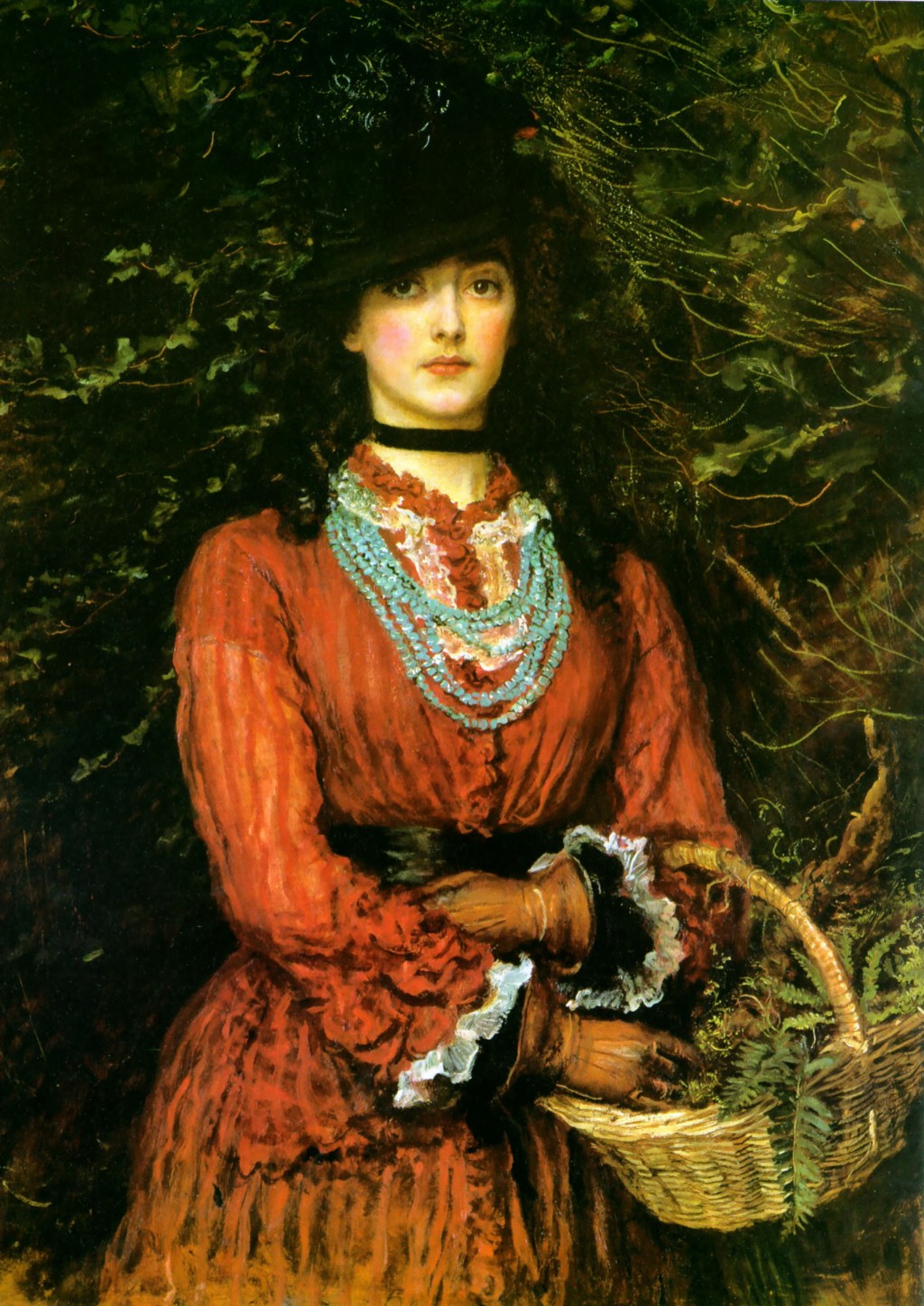
Why Women Who Choose Knowledge Are Witches
While waiting for Practical Magic 2 to arrive in cinemas, I decided to revisit the topic of witches by reading Alice Hoffman’s entire Owens family saga:
- Magic Lessons
- Practical Magic
- The Rules of Magic
- The Book of Magic
The beloved film is based primarily on Practical Magic, the second novel, which follows sisters Sally and Gillian Owens as they discover that witchcraft runs through their bloodline.
Reading all four books, however, reveals something even more fascinating.
The entire language of Hoffman’s novels is deeply symbolic.
Herbs, flowers, rituals and colours all carry meaning.
It is a language that lives through ordinary gestures: a meaningful embroidered hem, the planting of a tree, the baking of a cake.
As Rose Tellers, we felt as though we had stepped into a world where symbols speak the very same language we do.
The Magic of Symbols
Throughout the novels, symbols are everywhere.
A blue hem stitched inside a garment becomes a charm for good fortune.
Lilies planted in the garden promise happiness.
A magnolia tree becomes a living declaration of enduring love.
Nothing is accidental. Everything carries meaning. Magic is not separate from everyday life: it is woven into it.
Why Witches Wear Red Shoes
One symbol appears again and again throughout the Owens family history: red shoes.
Generation after generation, the Owens women wear them.
Against the modest, dark clothing expected of women in earlier centuries, red shoes become an act of rebellion.
They refuse invisibility. They refuse conformity.
They announce a woman who walks her own path.
Long before anyone calls her a witch, her shoes have already spoken.
The symbolism of red shoes, however, long predates Alice Hoffman’s novels.
One of its most famous appearances is Hans Christian Andersen’s The Red Shoes, published in 1845. Its young protagonist, Karen, becomes enchanted by a pair of red shoes and is condemned to dance endlessly, unable to remove them. Within Andersen’s Christian moral tale, the shoes symbolize vanity, pride and disobedience.
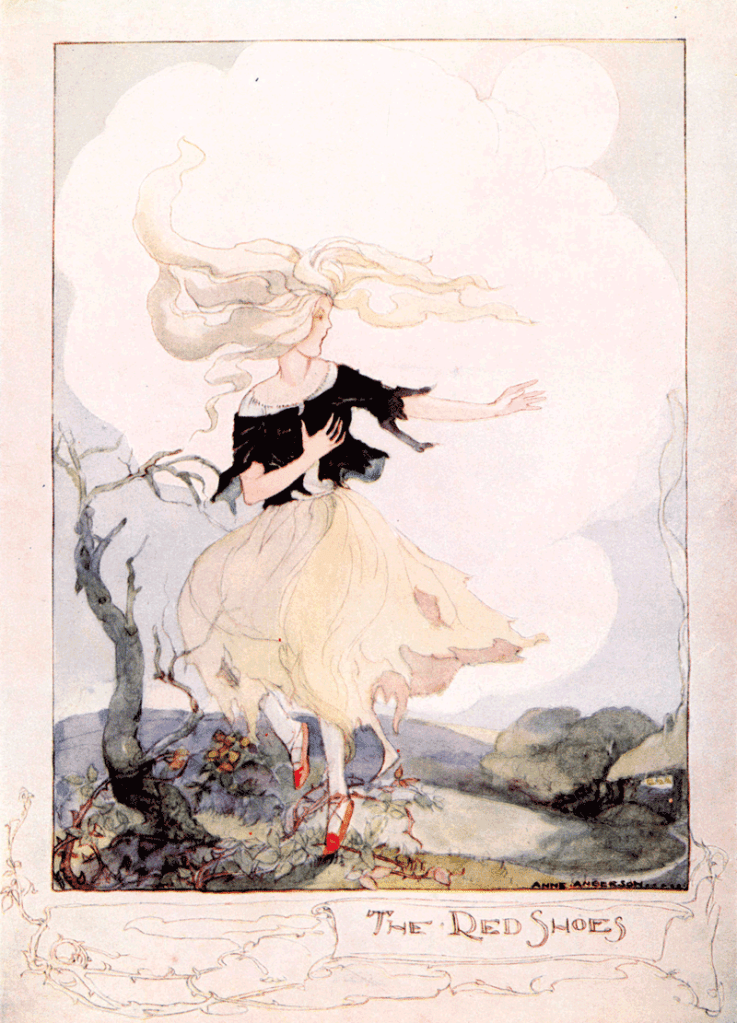
Like many nineteenth-century fairy tales, The Red Shoes reflects a society that repeatedly warned young women about the dangers of stepping beyond the roles expected of them. The shoes become more than an object of vanity: they become a symbol of female autonomy, visibility and the courage to walk one’s own path.
Perhaps this is why Hoffman’s witches still wear them.
Not because they are vain, but because they choose to be seen and to go their own path.
More recently, the Mexican artist Elina Chauvet reclaimed the symbol of the red shoe in her installation Zapatos Rojos (Red Shoes). Hundreds of pairs of red women’s shoes fill public spaces to commemorate victims of femicide and gender-based violence. The empty shoes stand as silent witnesses to lives interrupted simply because they belonged to women.
The work of Elina Chauvet finally reclaims what the symbol of the red shoe has carried for centuries.
No woman should have to pay for her freedom with punishment.
Embroidery as a Symbolic Gesture
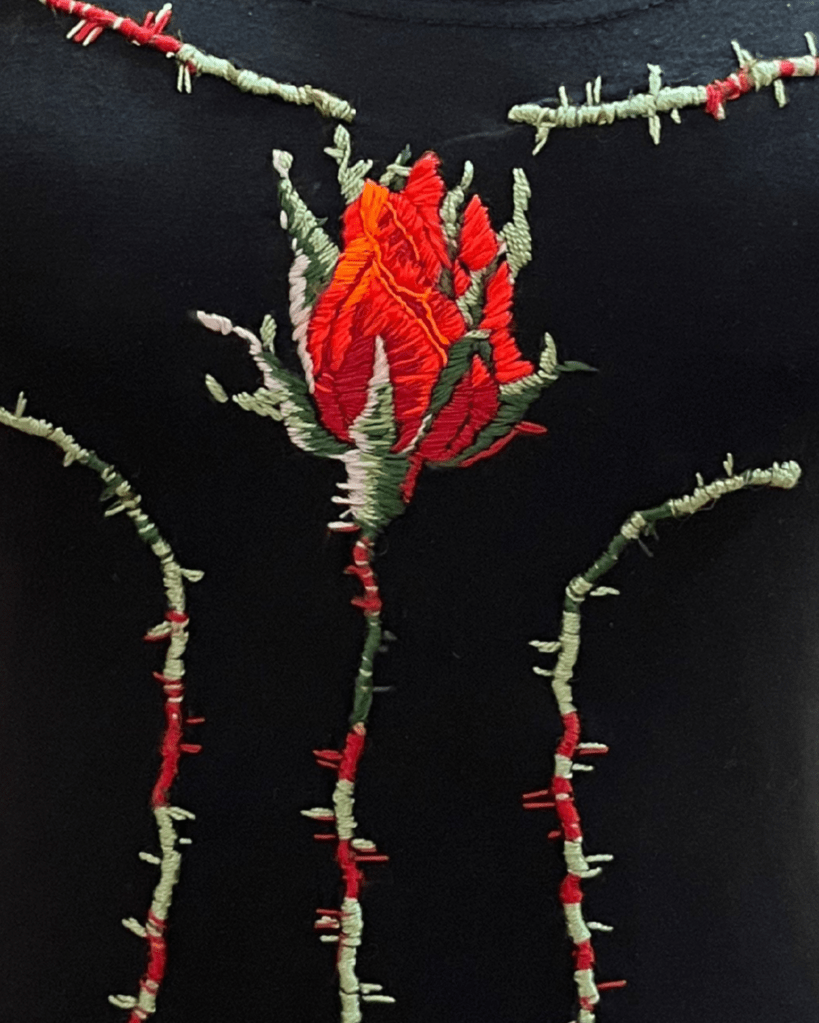
One passage in particular deeply resonated with us at Telling Roses.
In The Book of Magic, Rebecca is forced to leave her infant daughter behind in order to save her from a dangerous future.
Before doing so, she carefully embroiders her baby’s initials onto the wrapping cloth.
Not with ordinary thread. With blue thread.
A tiny gesture carrying hope, blessing and protection.
Later in the novel, Samuel—the sailor who loves Maria—stitches a handmade doll for her child.
When he returns years later, determined to find Maria again, he brings with him a magnolia tree to plant in her garden as a symbol of a love that refuses to fade.
Again and again, Hoffman reminds us that handmade objects, flowers and symbolic gestures become vessels of memory—and of magic.
Red Roses in the Owens World

Although lilies are the flowers most frequently mentioned throughout the Practical Magic series, roses also make an important appearance.
In The Book of Magic, Hoffman even mentions the striking Osiria Rose—the remarkable bicoloured rose whose crimson petals reveal a white reverse.
Readers of Telling Roses may immediately recognize it.
The Osiria Rose became one of the historical inspirations behind our Venus & Adonis Collection, where its red and white petals came to symbolize the dual nature of love: passion and innocence, desire and loss, life and death.
Hoffman’s roses, like all her flowers, are never mere decoration. They carry stories.
Knowledge Has a Price
Reading the Owens saga, I found myself returning to a thought that reaches far beyond these novels.
Did witches always simply represent women who chose knowledge over ignorance?
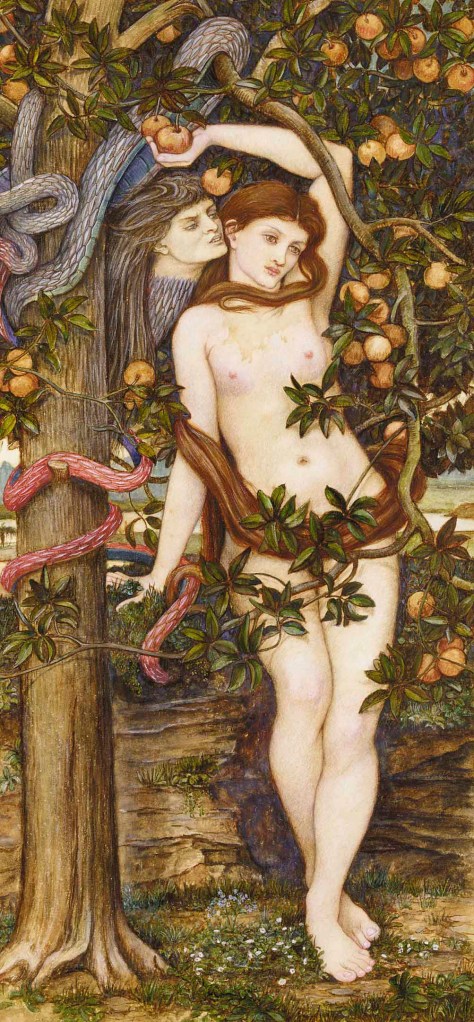
From the story of Eve onward, female knowledge has often been regarded with suspicion. In the Book of Genesis, after Eve eats from the Tree of the Knowledge of Good and Evil, childbirth becomes painful. For centuries, many religious thinkers interpreted those labour pains as God’s punishment for the woman who dared to seek knowledge.
That interpretation says more about those societies than about the story of Eve itself.
What if the pain of childbirth is no punishment at all, but the privilege of knowing what it means to bring life into the world—with all its beauty and all its pain?
With its petals and its thorns.
Women alone possess the extraordinary privilege of bringing life into the world.
Every meaningful act of creation asks something of us. The same is true of art, of love, of freedom.
And of knowledge.
Perhaps Eve was simply the first woman to choose knowledge over ignorance. To choose awareness over passivity.
Once we can distinguish good from evil, we cannot return to not knowing.
Once we recognize injustice, we cannot pretend not to see it.
Once we understand beauty, we also discover that beauty is never free.
There are no petals without thorns.
At Telling Roses
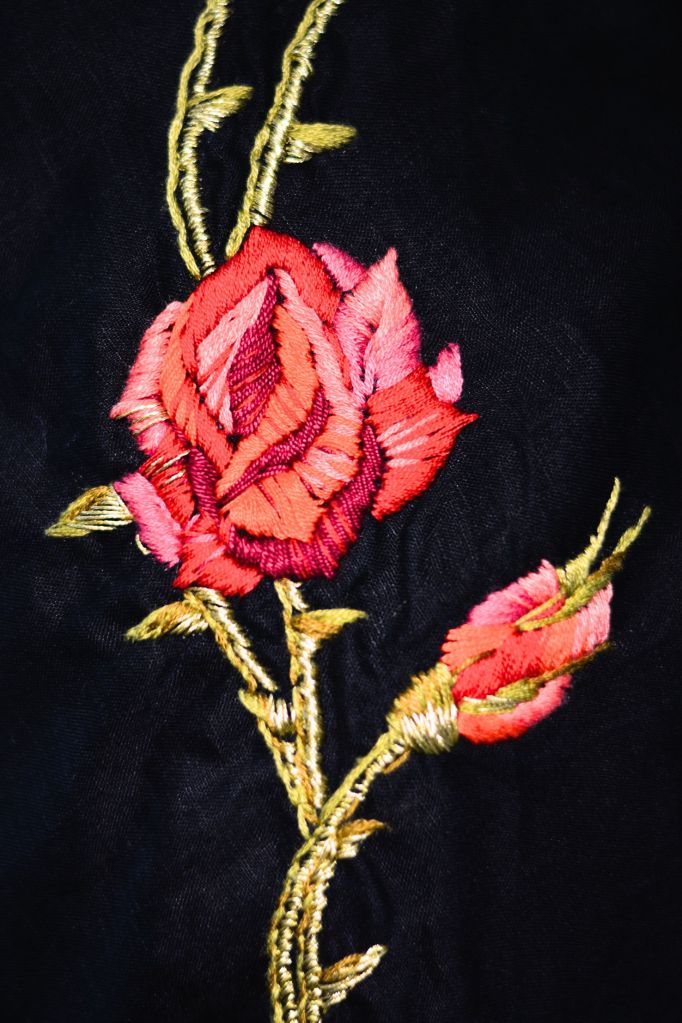
At Telling Roses, we wear red shoes.
We cherish red roses.
We practice red embroidery.
Not because we believe in spells.
But because we believe symbols preserve memory, tell stories and shape the way we understand ourselves.
A witch is a woman who chose knowledge over ignorance.
Who understood that every rose, every work of art, and every meaningful life would always come with both petals and thorns.
 Telling Roses
Leave a comment