Navigating WikiArt has always been one of my favorite scrolls — if you love art, you probably understand.
The sad part, however, is realizing how overwhelmingly male-represented the history of art still appears there, especially before the 20th century.
Historically, women were often excluded from the institutional worlds of art and philosophy, and perhaps this absence is partly why I long felt distant from both disciplines. Not from their essence, but from the way their histories were told.
And this thought led me somewhere else entirely:
What artistic realm did women truly lead for centuries?
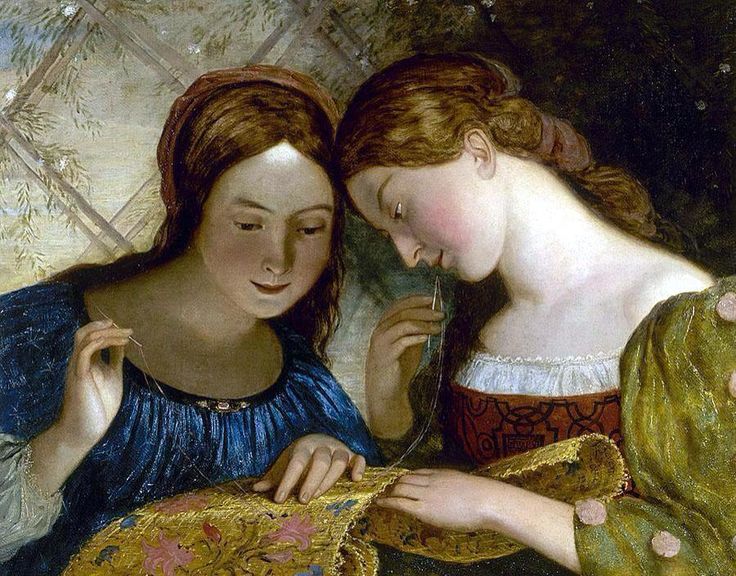
Oh yes, exactly what you are thinking: Hand embroidery.
In ancient times, needlework was considered an essential skill for a well-educated woman, serving both decorative purposes—such as embellishing clothing and furnishings—and practical needs like mending and repair.
It may sound obvious once said aloud. Yet like many realizations, it first requires conscious reflection.
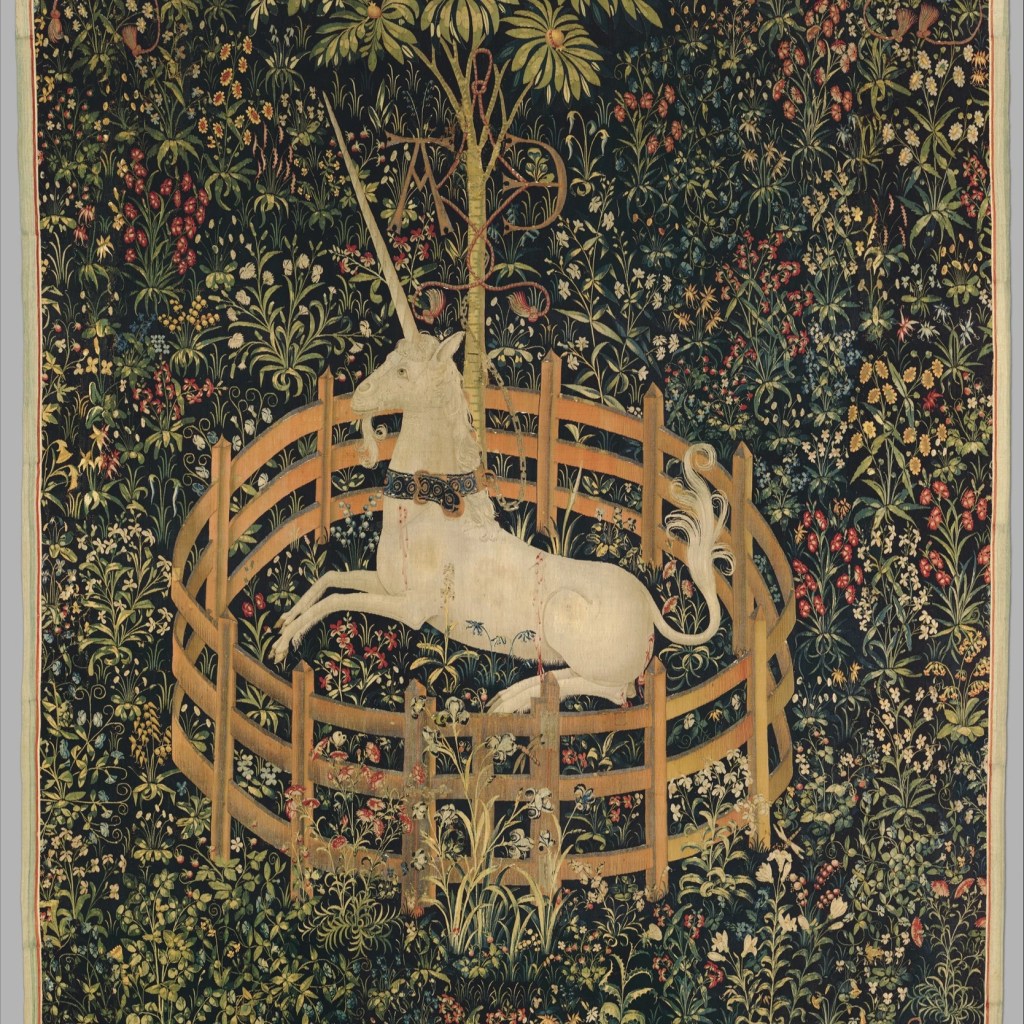
Textile art was one of the spaces where women could weave not only fabrics, but stories, traditions, symbols, aesthetics, and fragments of their inner worlds. Through thread, they united utility with expression, transforming clothing and domestic objects into carriers of memory and meaning.
This is one of the ideas that fascinates us most at Telling Roses, and something we wish to revive and let endure.
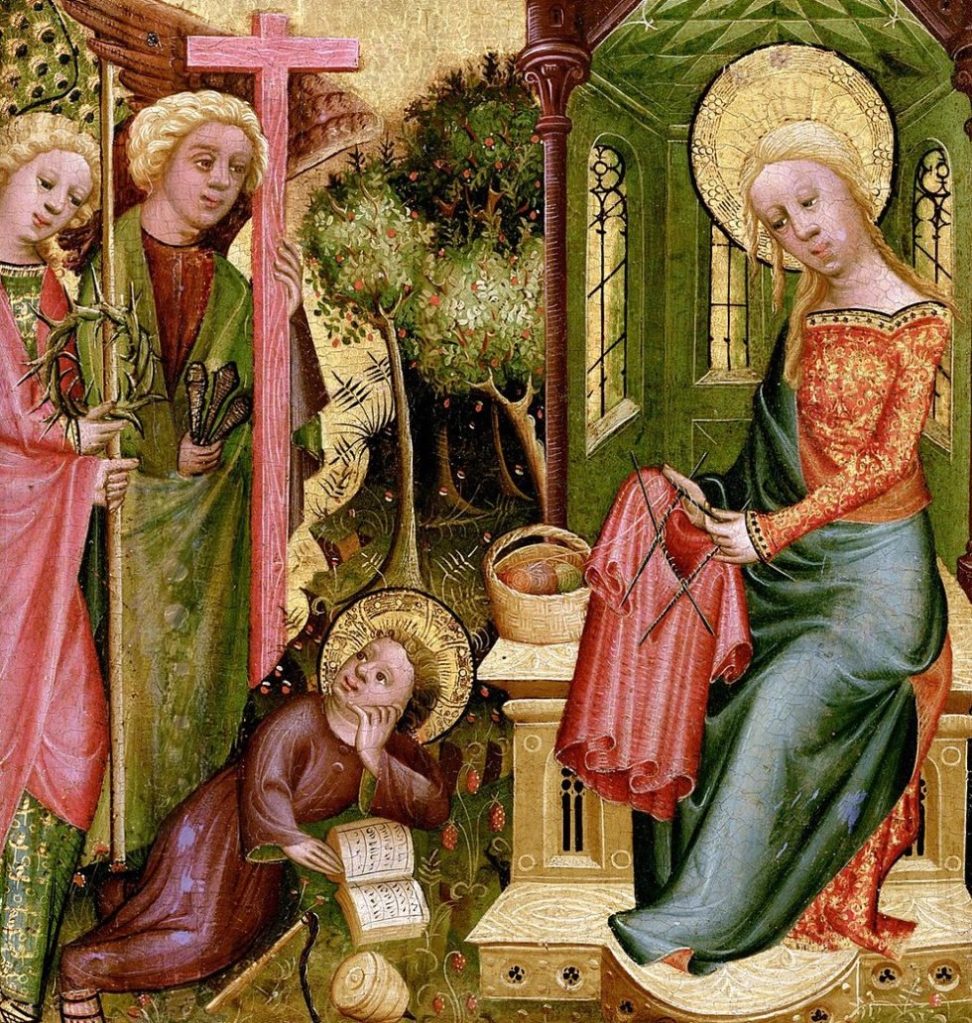
Now that women in most countries possess countless ways of expressing themselves, it still feels meaningful to reconnect with these ancestral roots — away from the noise of empty words or exhausting debates, and back to the threads.
Weaving meaning and symbols in their needleworks allows women to own a silent symbolic language and a deep personal and intimate- yet also universal- way of expression.
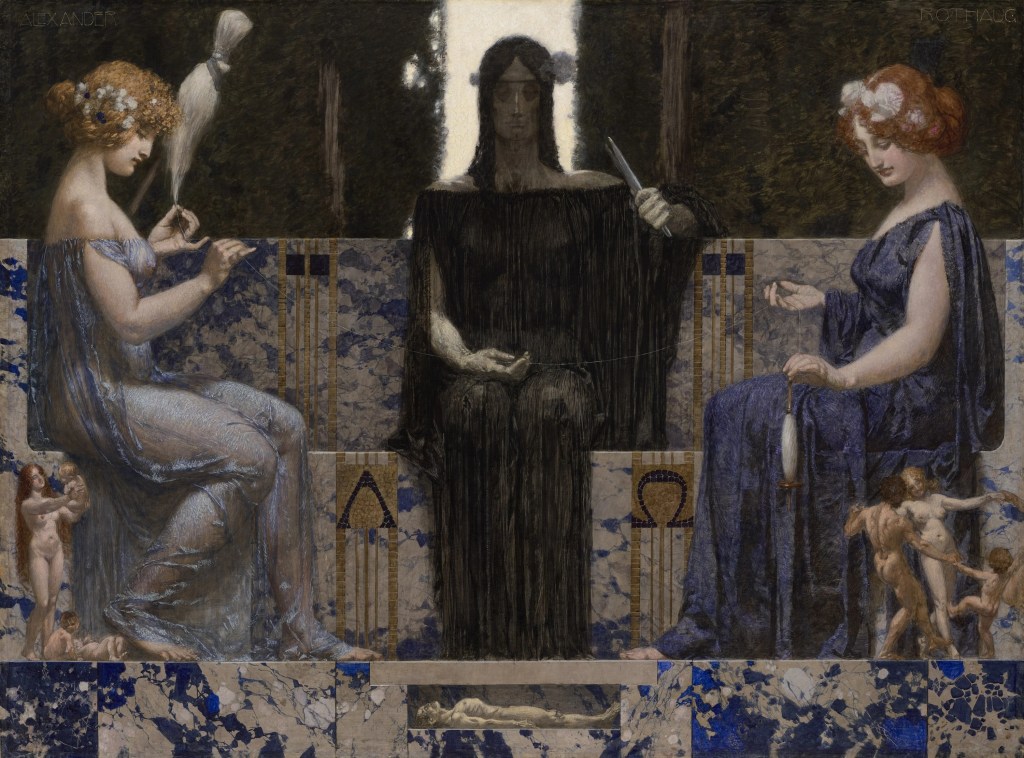
Symbols are where image and meaning merge into one.
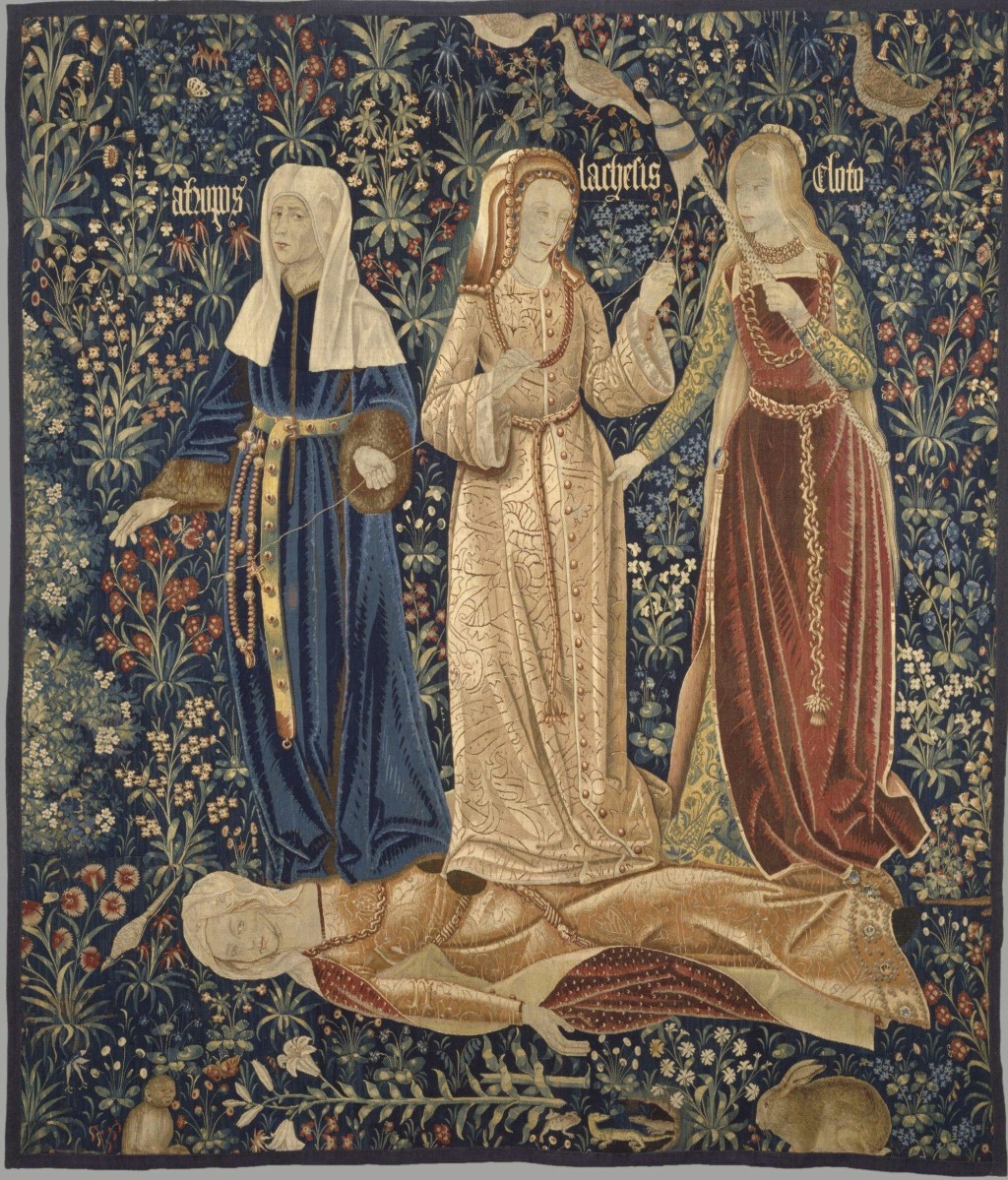
Thread itself is profoundly symbolic. The ancient Fates — the three female weavers of destiny, the Fates, known in mythology as the Parche or Moire— were imagined as holders of human fate through thread.
So intrinsic is this symbolic power that one does not even need to create an image with thread for it to become meaningful. Sometimes it is enough simply to hold thread intentionally in one’s hands.
If you are curious to explore more reflections on ancestral female arts and symbolism, stay close to our Journal.
Discover more about Telling Roses 🌹💧


Leave a Reply