

Is the rose truly the most beautiful flower? In many cultures, this question has been asked for centuries.
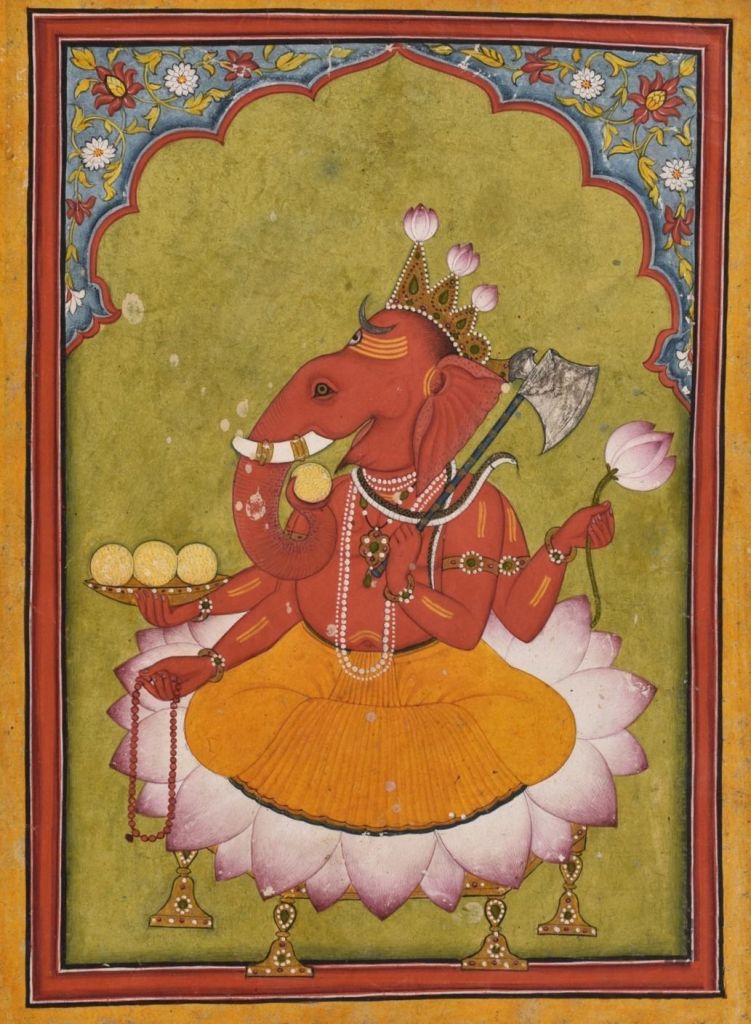
In Hindu mythology, there is a story in which the gods debated whether the lotus or the rose was the most beautiful flower. Though the lotus became the enduring religious symbol of purity and spiritual awakening, it was the rose that some traditions say won the gods’ admiration for its perfection.
In ancient Egypt, roses were also treasured. Archaeologists have found dried rose petals in tombs, suggesting they were offered to the gods or used in funerary rites.
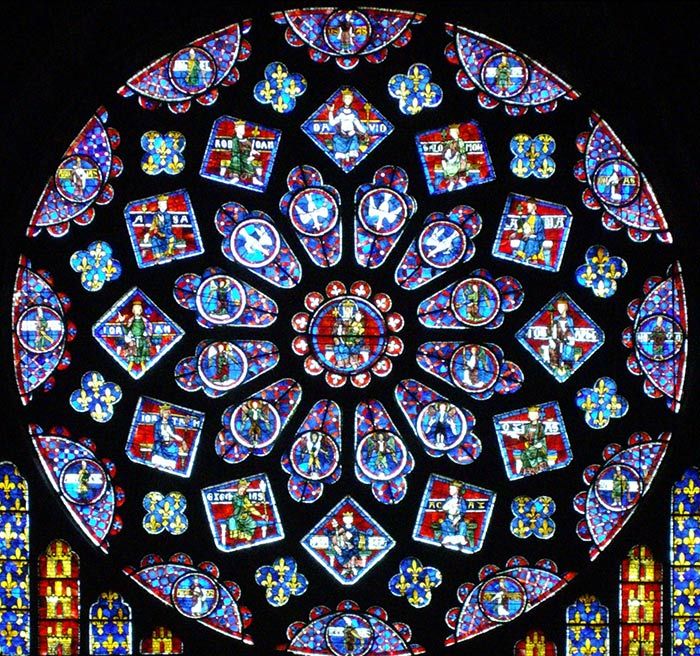
In Christianity, the rose gained deep symbolic meaning. Its circular form was seen as a sign of perfection and eternity. The white rose became associated with the Virgin Mary and purity, while the red rose symbolized the blood of Christ and martyrdom. The rose even shaped Christian art and practice:
Rosettes (rosone) adorned Gothic cathedrals.
Rosaries (from “rosarium,” meaning “rose garden”) became central to prayer.
Rose motifs were carved into confessionals and sacred objects.
But reverence for roses wasn’t limited to spirituality. Ancient Greeks and Romans celebrated the rose for its fragrance and beauty. Romans associated it with Venus, goddess of love, and also used it as a symbol of secrecy—sub rosa (literally “under the rose”) meant confidential or secret.
From a practical side, the rose was valued for medicine and cosmetics. As early as the 5th century BCE, people distilled roses into rose water and essential oils, prized for their healing and perfuming qualities.
Roses also became powerful national symbols:
The red rose of Lancaster and the white rose of York defined English history in the Wars of the Roses. Today, the red rose remains England’s emblem.

In the Mediterranean, red roses are strongly linked to passion, love, and festivity.
In China, wild roses have grown for millennia, and Chinese horticultural expertise was crucial in creating the hybrid roses that dominate modern gardens worldwide.
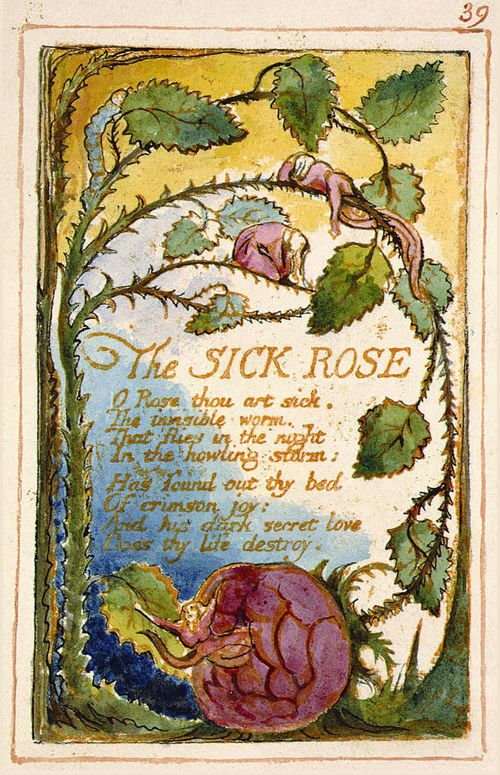
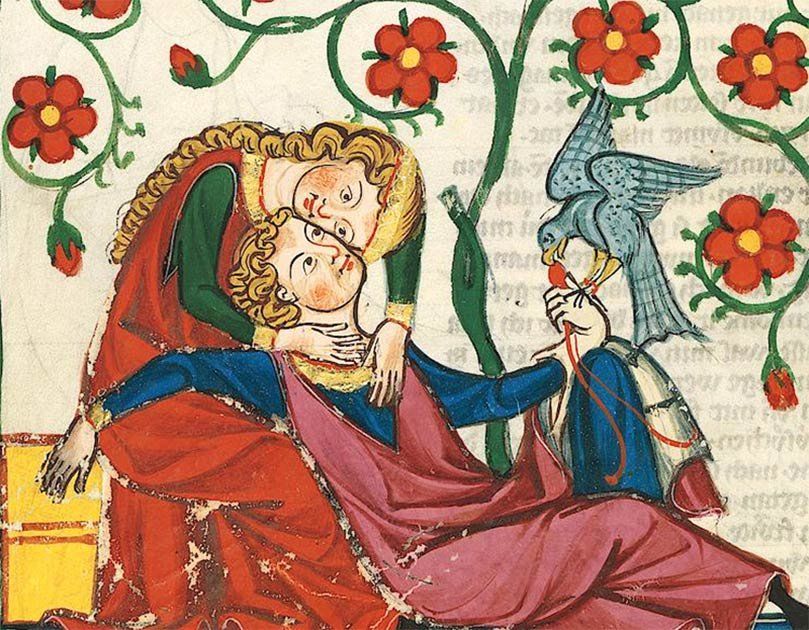
By the Middle Ages, roses were woven into poetry and chivalry. A single rose could symbolize courtly love. Later, in Dante’s Divine Comedy, the “white rose” became the image of heavenly souls in Paradiso. Across art, literature, and music, the rose flourished—from the golden and silver roses of medieval symbolism to the tragic rose of William Blake’s poetry and the lush, romantic imagery of Richard Strauss’s opera Der Rosenkavalier.
Even today, roses remain part of our most important rituals of love and devotion. We offer them on Valentine’s Day, at weddings, on Mother’s Day, and in remembrance. Roses are not just flowers but messages: in Victorian England, they carried an entire secret language, with colors and numbers conveying emotions too delicate to say aloud.
So why should we care about all this? Because the Rose is more than a flower—it’s a cultural mirror. It has carried human hopes, secrets, prayers, and passions for over 3,000 years. To know the rose is to glimpse the history of beauty and love itself.
Follow @TellingRoses for more meanings of the Queen of Flowers
 Telling Roses
Leave a comment