Among all flowers, the Rose—often called the Queen of Flowers—holds the richest symbolic legacy.
From ancient mythology to Christian iconography, from Roman stories to the secret language of the Victorian era, the Rose has always been more than just a flower.
Are you ready to discover the true meaning of Roses?
The Celestial Rose
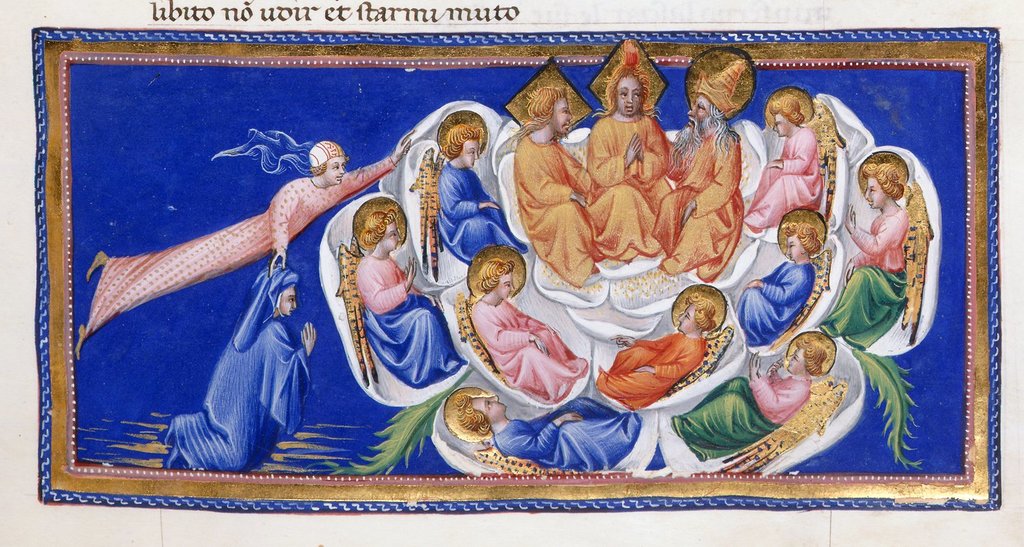
At the summit of his spiritual journey in Paradiso, the final book of The Divine Comedy, Dante Alighieri is granted a vision of the Celestial Rose — a mystical, luminous flower made up of the souls who have reached perfect blessedness. This white rose, suspended in divine light, represents divine love, eternity, and spiritual completion. The image is not random: Dante consciously chooses the rose to express the highest harmony between the human and the divine.
And with this, I would like to begin. Just to make it clear from the very first lines that the rose is no simple side note in cultural history.
And I mean—just look at the blessed souls nestled in this white and silky rose. I think Dante did a great job conjuring up captivating images!
The Myth
It was certainly not by chance that the rose appeared in ancient mythology as Aphrodite’s sacred flower. The goddess of love and beauty simply had to have the most beautiful bloom. We all know how greedy the gods and goddesses in mythology could be.
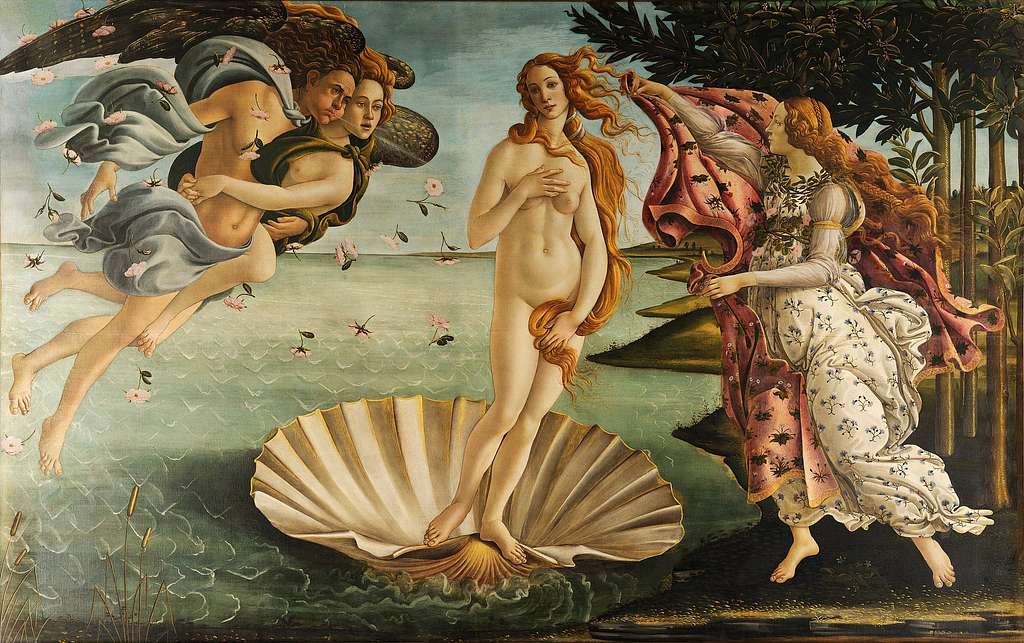
In both Greek and Roman mythology, roses are said to have sprung from the tears of Aphrodite (or Venus) mourning her beloved Adonis. Some legends say that red roses were stained by his blood — and here begins the symbolic distinction between rose colors. If the soft pink rose accompanied the Birth of Venus, blown by the wind of Primavera, then the red rose must belong to stories of passion, sacrifice, and pain. Unsurprisingly, the red rose became a symbol of Christ’s blood in Christian iconography, adding layers of sorrow and redemption to its meaning.

The Victorian Rose Code
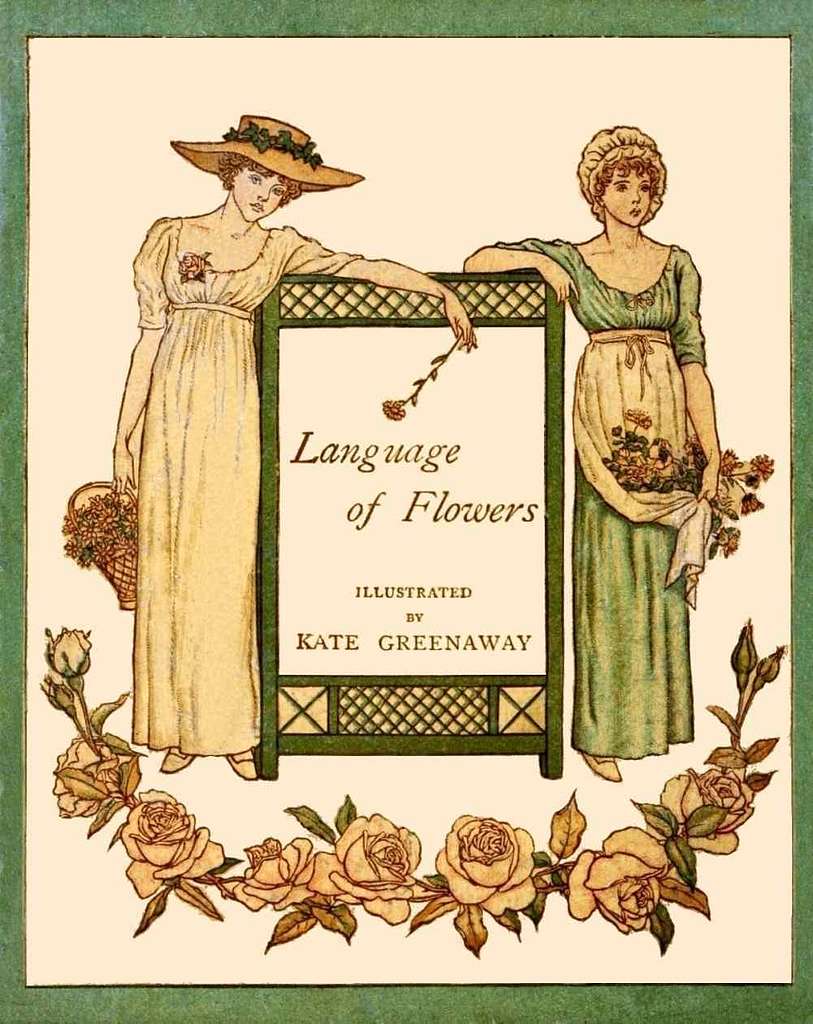
Jumping ahead to the Victorian era — a time when mademoiselles wore veils, whispered at séances, and found in roses an elegant code — the flower’s secret language reached its peak.
Every important rose type carried its own assigned meaning.
The Hundred-Leaved Rose (Rosa centifolia) meant “Pride,” while the beautiful Damask Rose stood for “Brilliant complexion.” That may raise a smile today—what exactly is a brilliant complexion, anyway? But this was a serious matter: proof that codified compliments, feelings of all kinds, and private messages could be delivered with discretion. Much like Harry Potter’s owls, Victorian ladies would send their roses to carry their messages where needed. In a society where women faced countless restrictions, at least they had flowers to speak for them. Literally.
Sub Rosa- a Symbol for Secrets
Now, let’s jump back in time again — to Ancient Rome. Back then, there was only one thing more powerful than empire: secrecy. And what better way to keep secrets than with symbols?
To speak “sub rosa” — Latin for “under the rose” — meant to speak in confidence. A carved or painted rose above a table indicated that whatever was discussed beneath it was never to be repeated. This gesture became a pact of discretion.
The early Christians inherited the symbol, engraving roses into confessionals to remind priests: no matter how shocking or juicy a sin, if spoken under the rose, it remained sacredly private.

Rose Tellers
If you think that after a couple of blog posts, there’s nothing more to say about roses — you might be in the wrong place.
But if you believe that this forgotten language of roses is worth rediscovering — then keep reading. You might just become a Rose Teller.
 Telling Roses
Leave a comment